

The HR transformation conversation in most organisations begins in a state of genuine complexity: there are multiple simultaneous improvement opportunities, each with genuine advocates and genuine business cases, and insufficient resource and leadership attention to pursue all of them with the depth they require. The talent strategy is underdeveloped. The HR technology is outdated and fragmented. The HR business partner model is not delivering the strategic partnership it was designed to produce. The analytics capability is insufficient for the evidence-based people strategy the organisation says it wants. The culture is not aligned with the strategic direction. The leadership pipeline is not deep enough for the demands of the next five years. Any of these could plausibly be described as the most important thing to address first.
The paralysis that this complexity produces is itself one of the primary obstacles to effective HR transformation, because the attempt to address everything simultaneously produces insufficient focus and insufficient resource concentration to address anything with the depth that genuine transformation requires. Understanding how to sequence a complex HR transformation, how to identify the right starting points, and how to build the momentum that sustains a multi-year transformation programme without losing the focus that makes progress possible, is among the most practically important challenges facing CHROs of large organisations.
The diagnostic that most transformation processes skip
The most common error in HR transformation is beginning with the solution rather than with the diagnosis. The organisation adopts an HR technology platform because it is the market leader, or implements an HR business partner model because it is the industry standard, or launches a culture change programme because the engagement survey has identified culture as a top concern, without doing the specific diagnostic work that would establish whether the chosen solution is actually addressing the most consequential underlying problem.
The diagnostic that most transformation processes skip is the specific identification of the human capital conditions that are most significantly constraining business performance. This is a different question from the question of what HR should be doing better. It is the question of what the organisation most needs from its people strategy in order to execute its business strategy, and what the current gap between that need and the current capability actually is. The answer to this question is the foundation of a transformation strategy that is genuinely aligned with business priorities rather than with the HR profession’s current consensus about best practice.
Conducting this diagnostic requires the CHRO to engage the CEO and senior business leaders in an honest conversation about the specific human capital challenges that are most limiting the business performance they are trying to achieve, and to connect that conversation to a rigorous assessment of the current people strategy’s adequacy for addressing those challenges. This is more demanding than the internal HR assessment that most transformation processes begin with, because it requires business leaders who can articulate their human capital needs with sufficient specificity to generate a useful diagnostic, and a CHRO who has the business acumen and the analytical capability to translate those needs into a specific and prioritised transformation agenda.
The sequencing logic that produces sustainable transformation
The sequencing logic that most consistently produces sustainable HR transformation starts with the capabilities that are prerequisite for everything else the transformation is trying to achieve, rather than with the capabilities that are most visible, most innovative, or most enthusiastically endorsed by the executive sponsor. The prerequisite capabilities are typically foundational: the data quality and integration that enables genuine analytics, the process standardisation that enables genuine automation, the business partnership quality that enables genuine strategic input. Without these foundations, the more sophisticated transformation initiatives that depend on them cannot deliver their intended value.
This sequencing logic is often in tension with the political dynamics of transformation programmes, which typically require visible early wins to maintain organisational support for the investment. The temptation is to begin with the most visible and most commercially legible transformation initiatives, which may not be the most foundational, in order to build the political support that the longer-term transformation requires. This is not always wrong, but it becomes counterproductive when the early wins are built on foundations that have not been adequately developed, producing the appearance of strategic HR capability without the substance that would allow it to be sustained and extended.
The resolution of this tension requires a transformation strategy that is explicitly designed to deliver both: early visible progress that builds organisational confidence and maintains investment, and sustained foundational development that builds the capabilities without which the visible progress cannot be sustained. Designing this dual track requires the analytical clarity to identify what is actually foundational versus what is legitimately buildable in parallel with the visible transformation, and the communication skill to explain the sequencing logic to stakeholders who may not naturally share it.
The three questions that should anchor the transformation strategy
The transformation strategy that is most likely to produce genuine and durable improvement in HR capability is anchored by three questions that should be asked and honestly answered before the transformation programme is designed.
The first: what specific business outcomes is this transformation designed to improve, and how will we measure whether it has improved them? The transformation that cannot answer this question specifically and credibly is unlikely to maintain the business support and resource commitment it requires over the multi-year timeline that genuine transformation demands.
The second: what are the specific capabilities that HR needs to develop to produce those business outcomes, and what is the honest gap between those capabilities and the current state of the HR function? The transformation that is designed around aspiration rather than around an honest gap assessment is unlikely to make the specific investments in the specific areas where the gap is most consequential.
The third: what are the organisational conditions outside the HR function that most significantly determine whether the HR transformation produces the business outcomes it is designed to produce, and how will those conditions be developed alongside the HR capability development? The transformation that is designed as if HR capability development alone were sufficient to produce business outcome improvement is underestimating the degree to which the outcomes depend on the quality of the partnership between HR and business leaders, and on the willingness of the organisation to use the HR capability that the transformation develops.
Sustaining momentum through the difficult middle phase
The most challenging phase of any major HR transformation is the middle phase: after the initial enthusiasm of the launch has dissipated and before the results that justify the investment have become clearly visible. This is the phase at which most transformation programmes lose momentum. Sustaining it requires the maintenance of consistent senior sponsorship even when other priorities compete for attention, honest assessment of which elements are progressing and which are falling behind, the regular communication of genuine progress in terms of specific business outcomes rather than programme milestones, and the specific protection of the transformation investment when financial pressure creates temptation to reduce it. The organisations that successfully sustain HR transformation through the difficult middle phase are those that have built the governance structures and the leadership commitment that produce these specific decisions consistently rather than only when the programme is new and the excitement is fresh.
The CHROs who have most successfully led HR transformations describe the governance dimension as the most underinvested aspect of most transformation programmes. The programme management, the communication, the capability development, and the change management are all typically designed and resourced adequately. The governance, specifically the structures and the senior commitments that protect the transformation from the competing pressures that will inevitably arise across a multi-year programme, is consistently underdesigned. The CHRO who builds the governance infrastructure before the transformation starts, who secures the specific senior commitments and the specific performance accountability that will sustain the investment through its difficult middle phases, is making the most important single transformation investment available before the programme has formally begun.
The transformation that begins with the right questions, that is anchored in an honest diagnosis of what the business most needs from its people strategy and what the honest gap is between that need and the current capability, and that is governed with the specific discipline required to sustain investment through the pressures that will inevitably arise, is significantly more likely to produce genuine and durable improvement than the transformation that begins with the solution. The right questions are harder to ask and harder to answer honestly. They are also the only reliable foundation for a transformation that produces what the organisation actually needs rather than what it was easiest to design.
HR transformation that begins with a solution rather than a diagnosis is building on sand. The sequence that produces sustainable transformation starts with an honest assessment of what the business most needs from its people strategy and works forward from there to the specific capability investments that address that need most directly.
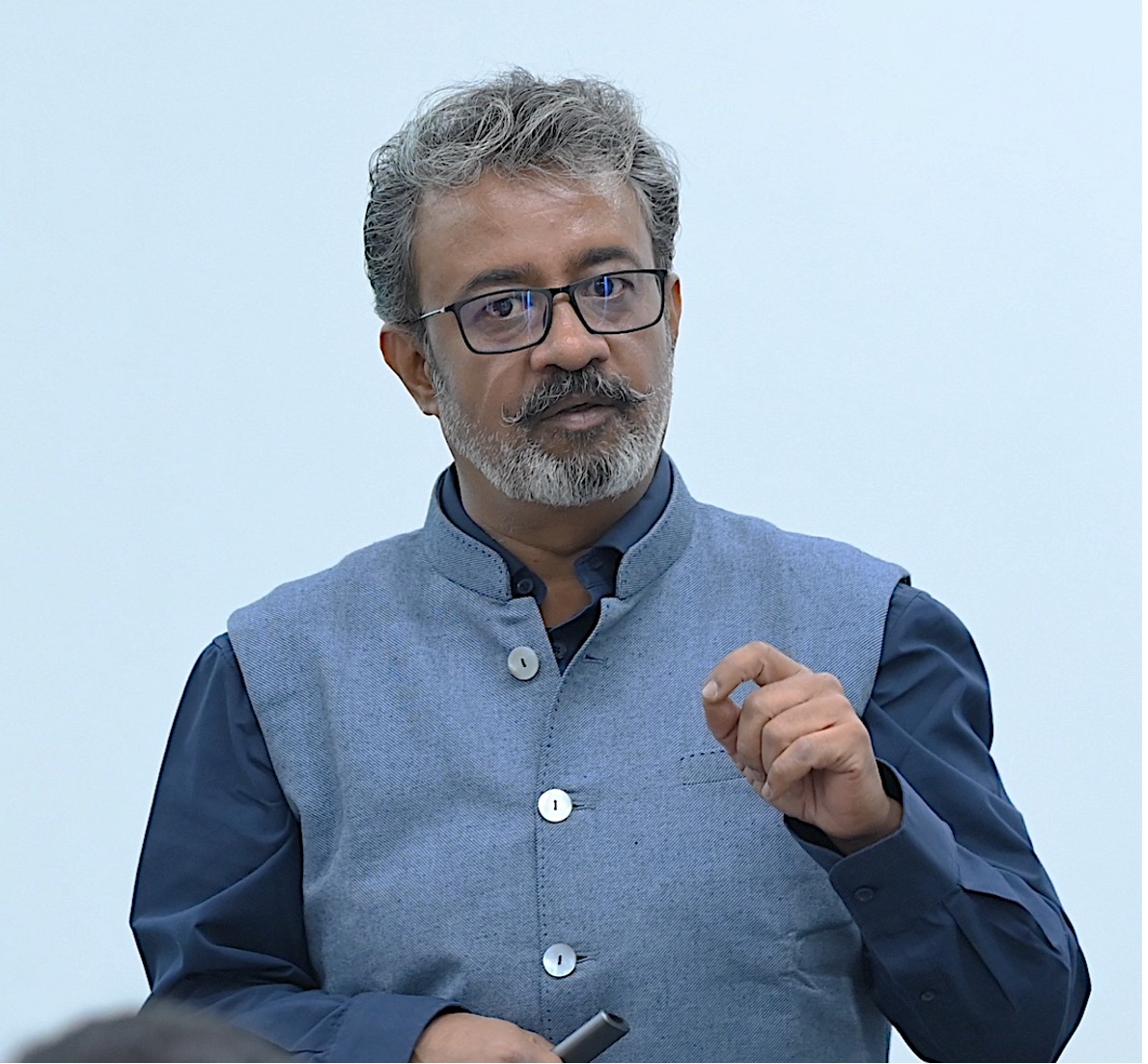
About the Author
Founder Director, ProventusHR · MGSCC Master Coach · NDA Alumnus
Founder of ProventusHR and principal architect of ExperienceLearning and REEL|Life. 25+ years across leadership advisory, executive coaching, and experiential design across 14 industries. 9x Brandon Hall HCM Excellence Award winner (2022 to 2025).
Full Profile ›