

Every culture change initiative I have encountered has, at some point in its life, produced the same question from the senior leadership sponsoring it: “When will we see results?” The question is reasonable. The investment is real, the urgency is usually genuine, and the expectation that consequential action should produce visible change is not unreasonable as a general management principle. The difficulty is that culture change does not operate on the timescales that this reasonable expectation assumes.
Experienced practitioners in organisational development typically estimate that meaningful, measurable culture change in a large organisation takes three to five years at minimum and often significantly longer. This estimate is consistently greeted with disbelief by senior leaders encountering it for the first time, and with weary recognition by those who have lived through failed culture change efforts and understand, retrospectively, why they failed. The three-to-five year estimate is not pessimism or professional caution. It is a description of the specific mechanisms through which culture change actually occurs, and why those mechanisms operate on the timescales they do.
Understanding why culture change is slow is, in itself, among the most practically useful things that can be known about how to manage it, because the organisations that misunderstand the timescales are the ones that consistently make the specific mistakes that extend the timeline further or that cause the initiative to fail entirely.
Why culture is so resistant to change: the three mechanisms
Edgar Schein’s layered model of organisational culture provides the most useful framework for understanding the specific sources of cultural inertia. The visible artefacts of culture, the behaviours, language, rituals, and organisational structures that can be directly observed, sit at the surface of a much deeper structure of espoused values and, beneath those, deeply held basic assumptions that constitute the actual operating system of the culture. These basic assumptions are largely invisible to the people who hold them because they are experienced not as beliefs but as facts: this is how things work, this is what people are like, this is what competence and success require.
Changing the artefacts, the visible surface of culture, through communication campaigns, values workshops, and revised policies, does not change the basic assumptions beneath them. The basic assumptions continue to shape behaviour, particularly in the moments of highest pressure and ambiguity, regardless of what the communication campaign says the new culture requires. This is the mechanism that produces the frustrating phenomenon of culture initiatives that achieve significant nominal compliance without producing genuine behavioural change: people can articulate the new values fluently without those values having any effect on their actual decisions and relationships.
The second source of resistance is the self-reinforcing character of cultural norms. Culture is not simply a set of beliefs held by individuals. It is a social system that actively produces the evidence that supports its own continuation. In a culture where political behaviour is the norm, people who do not engage politically are disadvantaged relative to those who do, which provides evidence that political behaviour is necessary, which reinforces the norm. In a culture where individual performance is rewarded over collective performance, collaboration is experienced as a cost with no corresponding return, which provides evidence that it is naive or counterproductive, which reinforces the individualist norm. The culture produces the evidence that supports its own perpetuation, which makes the cultural change that requires behaving differently before the evidence supports doing so genuinely difficult to sustain.
The third mechanism is the temporal asymmetry in how cultural change is experienced. The costs of changing cultural norms are immediate and concrete: the discomfort of behaving differently, the social risk of operating outside established norms, the loss of the predictability and ease that familiar patterns provide. The benefits of the new culture are typically delayed and uncertain: they depend on enough people changing simultaneously that the new norms become self-reinforcing, which requires a critical mass that takes time to build. From the perspective of any individual in the system, the rational choice at any given moment is often to wait for others to change first, which produces the collective action problem that makes the early stages of culture change so resistant to momentum.
What the three to five years actually contains
The three-to-five year timeline for meaningful culture change is not a period of undifferentiated effort followed by eventual results. It has a specific internal structure, with distinct phases that have different characteristics and that require different kinds of leadership attention and intervention.
The first phase, roughly the first twelve to eighteen months, is the disruption phase. This is the period in which the current culture is actively disturbed: the norms and behaviours that constitute the old culture are named, challenged, and made visible in ways that create the cognitive and social space for something different. In this phase, the most important work is not building the new culture but dismantling the invisible naturalness of the old one. If people cannot see the current culture as a culture rather than as the way things simply are, they cannot engage with the possibility of it being different. The disruption phase is typically the most uncomfortable, because it involves loss before there is any clear gain, and it is the phase in which resistance is highest and visible early wins are most important for maintaining momentum.
The second phase, roughly months twelve through thirty-six, is the experimentation phase. This is when the new norms begin to be tried in real conditions, tested against the systemic pressures that inevitably push toward the old ways, and either reinforced or abandoned based on how the organisation’s incentive structures and social dynamics respond. The critical work in this phase is the consistent alignment of the formal incentive systems, the performance management criteria, the promotion decisions, the resource allocation patterns, with the new cultural norms. Without this alignment, the experimentation phase produces a persistent double message: the new culture is stated and the old culture is rewarded, which erodes credibility and increases cynicism.
The third phase, from around year three onward, is the consolidation phase. This is when the new norms, if the previous phases have been executed with sufficient consistency, begin to be self-reinforcing: new people are hired into an environment where the new norms are established and expected, the social cost of violating the new norms begins to exceed the social cost of maintaining them, and the evidence accumulates that the new culture produces better outcomes than the old one. This is the phase at which culture change becomes genuinely sustainable rather than dependent on sustained active intervention. It is also the phase that most culture change initiatives never reach, because the investment of attention and senior priority has been withdrawn before the self-reinforcing dynamic has been fully established.
What to do while you wait
The question of what to do while culture change is in progress, how to manage the organisation during the period when the old culture is actively disrupted but the new culture is not yet established, is one of the most practically important questions in change management and one that most culture change frameworks address inadequately.
The first principle is protecting the pioneers. In every culture change initiative, there are people who change before the critical mass has been reached, who model the new norms before the social incentives support doing so. These people take real risks. They are operating outside the established norms in ways that expose them to the social costs of norm violation without yet receiving the benefits of the new culture. Organisations that do not actively protect and visibly reward the pioneers of cultural change systematically destroy the momentum of the initiative, because the message transmitted to everyone watching is that early adoption is personally costly and strategically foolish.
The second principle is making the change visible at the point where behaviour intersects with formal decision-making. Culture change that is invisible in the decisions that matter, in who gets promoted, who gets resources, what gets funded, what gets celebrated, is not real culture change. It is communication campaign. The most powerful signals of cultural change are the decisions that explicitly break with the prior culture’s priorities: the person promoted for modelling the new values who would not have been promoted under the old criteria, the initiative funded that addresses a cultural priority rather than only a financial one, the leader who is held accountable for cultural behaviour in ways that are visible to the organisation.
The third principle is pacing honestly. The leaders who communicate that culture change is complete before it is, who announce arrival at a destination that the organisation has not yet reached, do more damage to the change effort than leaders who are slower to declare progress. Culture change requires sustained effort across the full duration of the timeline, and that effort requires that the people making it understand where they actually are in the process rather than where the communication campaign says they are. The honest leader who says “we have made genuine progress and we are not finished and this will take longer than we initially said” is building the credibility that sustained culture change requires. The one who manages the message manages it at the cost of the truth, and the organisation’s ability to distinguish between the two is considerably more sophisticated than most senior leaders’ communication strategies account for.
Culture change is not a project with a timeline and a launch date. It is a sustained transformation of social norms that takes years, requires consistency across every touchpoint, and fails most often not from lack of effort but from withdrawal of attention before the new norms have become genuinely self-sustaining.
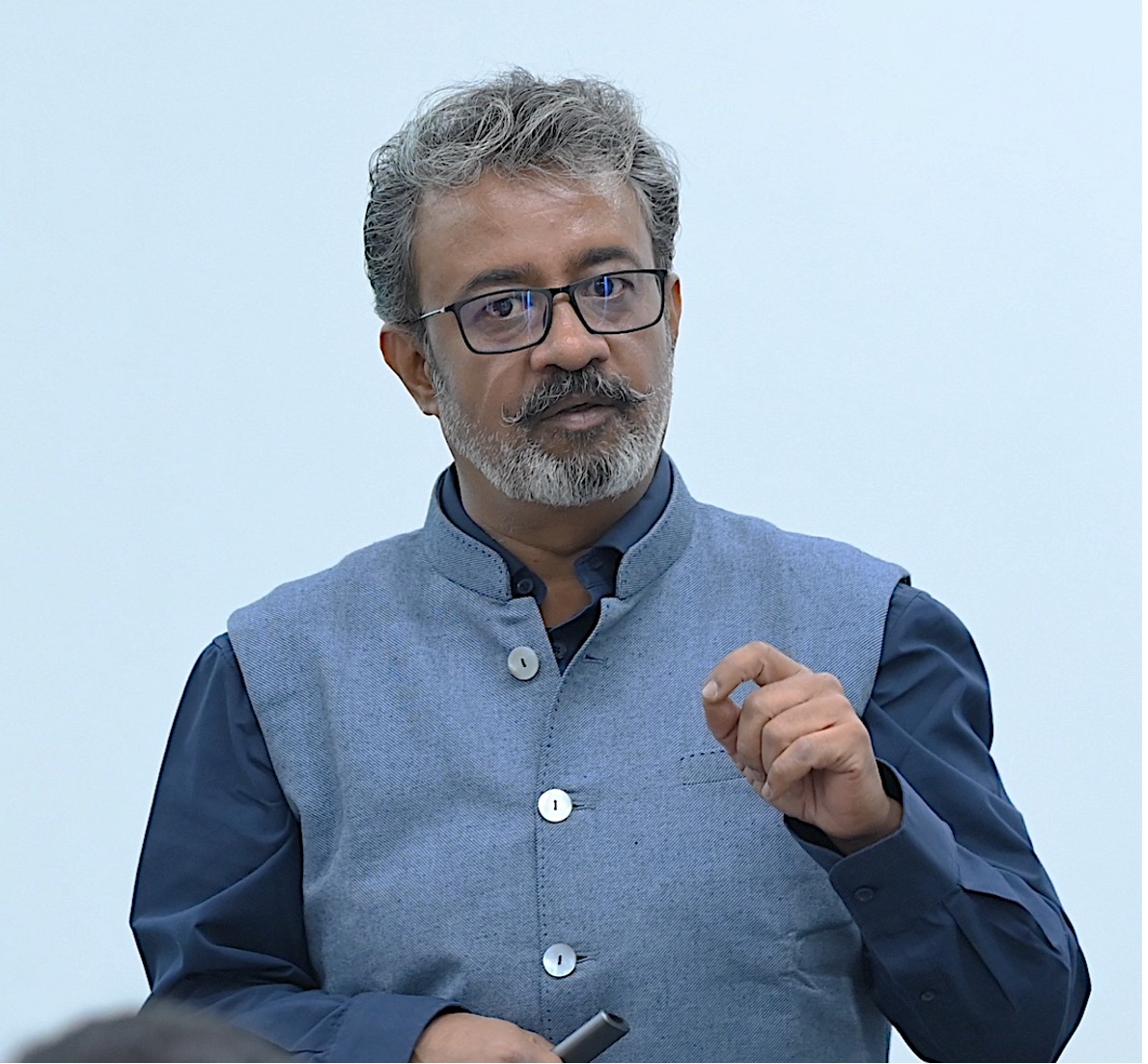
About the Author
Founder Director, ProventusHR · MGSCC Master Coach · NDA Alumnus
Founder of ProventusHR and principal architect of ExperienceLearning and REEL|Life. 25+ years across leadership advisory, executive coaching, and experiential design across 14 industries. 9x Brandon Hall HCM Excellence Award winner (2022 to 2025).
Full Profile ›