

The values workshop ends. The flipcharts are photographed. The participants leave with a genuine sense of having done something important together. The energy in the room at the conclusion is real: the conversations were substantive, the vulnerability was genuine, the shared acknowledgment of gaps between aspired values and current behaviour was honest and often moving. The facilitator packs up and writes a summary document that captures the key themes and the specific commitments that emerged from the day. The client reads it, acknowledges its quality, and begins to think about the implementation.
Three months later, the behaviour is largely unchanged. Not cynically unchanged, not because the commitments were not genuinely meant. Changed to some degree in the people who were most energised by the workshop and who had the specific combination of motivation, positional authority, and situational opportunity to act on the commitments they made. Largely unchanged in the structural features of the organisation that were producing the behaviour the workshop was designed to change. The incentive architecture is the same. The performance management criteria are the same. The senior leadership behaviour in the specific high-stakes moments that most powerfully model the actual culture is largely the same. The workshop produced a genuine and valuable experience. It did not produce the structural and behavioural changes that are the mechanism through which a values experience becomes an operational reality.
This is not an unusual outcome. It is the default outcome of values workshops that are designed to produce the experience of values alignment without attending adequately to the structural and governance changes that would make the values alignment durable. Understanding what needs to happen after the values workshop, and why it so rarely happens with adequate depth, is the most practically useful available contribution to improving the return on values work investment.
The four things that need to happen after the workshop that almost never do
The work that most needs to happen after a values workshop is specific, structural, and substantially less exciting than the workshop itself, which is both the explanation for why it is underinvested and the primary reason why most values work produces workshops rather than cultures.
The first is the translation of the values commitments into specific, observable, measurable behavioural indicators that can be assessed in the performance management system. The value of “courage” needs to become “raises concerns about strategic direction in team meetings even when the direction has strong senior support, offers specific alternative perspectives when disagreeing rather than only expressing disagreement, maintains positions under challenge when the challenge is social rather than evidential.” Without this translation, courage remains an aspiration rather than a performance expectation, and the performance management system continues to assess and reward the behaviours it was already assessing and rewarding regardless of what the values workshop produced.
The second is the redesign of the specific incentive structures that are most directly producing the behaviours the values workshop identified as inconsistent with the stated values. Every values workshop that identifies specific problematic behaviour patterns is implicitly identifying specific structural conditions that are incentivising those patterns. The workshop that identifies political behaviour as inconsistent with the value of transparency is identifying an incentive architecture that rewards political navigation over honest communication. That incentive architecture does not change because of the workshop. It changes when the performance management system, the promotion criteria, and the resource allocation processes are explicitly redesigned to reward the specific behaviours the transparency value requires.
The third is the follow-up accountability structure that holds specific people to specific commitments made in the workshop. The commitments made in a values workshop are made in a specific context of social and emotional intensity that is genuinely motivating in the moment and that does not survive unchanged the return to the operational context with its competing demands and its existing behavioural norms. The accountability structure that revisits specific commitments, that creates specific occasions for honest assessment of whether the commitments are being kept, and that names specific people whose accountability for specific behaviours is explicit and sustained, is the mechanism through which the momentum of the workshop is maintained rather than dissipated.
The fourth is the honest senior modelling that is both the most powerful available post-workshop values investment and the one most dependent on personal courage rather than programme design. The senior leader who makes a specific, visible values commitment in the workshop, and who then demonstrably behaves consistently with that commitment in the specific moments when doing so is genuinely costly, is producing a cultural signal that is more powerful than any subsequent values initiative. The senior leader who makes the same commitment and then behaves inconsistently with it in the first high-stakes moment where the commitment meets operational pressure, is producing an equally powerful cultural signal in the opposite direction. Which of these the leadership team produces in the weeks following the workshop is the primary determinant of whether the workshop becomes part of the culture’s genuine evolution or part of its accumulated cynicism about values initiatives.
The design implication: build the follow-through into the programme
The most important single design improvement available to values workshop practitioners is the explicit design of the follow-through into the programme rather than leaving it as an aspiration to be managed by the client after the facilitation relationship has ended. This means contracting explicitly, before the workshop, for the specific post-workshop work that will make the workshop consequential: the performance management redesign, the accountability structure design, the senior modelling conversation, and the three-month and six-month follow-up sessions that will assess honestly whether the workshop is producing genuine cultural change rather than simply excellent experience.
This contracting is often uncomfortable, because it requires the organisation to commit to more demanding follow-through work than most organisations initially want to commission when they are buying a values workshop. It is also the contracting that most reliably produces genuine value from the investment, because it ensures that the workshop is designed as the beginning of a sustained cultural change effort rather than as the primary event of one. The facilitator who will not commit to a values workshop without the explicit contracting for the structural follow-through work is providing a more honest and more valuable service than the one who delivers an excellent workshop and then leaves the organisation to manage the follow-through that will determine whether the workshop means anything.
The honest conversation about what the workshop cannot produce
The most valuable contribution that a values workshop practitioner can make to the quality of their client’s investment is the honest conversation, before the workshop is commissioned, about what the workshop can and cannot produce. The workshop can produce genuine shared experience of values as living concepts rather than aspirational language. It can produce specific individual insights about the gap between each leader’s stated values and their observable behaviour. It can produce specific named commitments from senior leaders about what they will do differently. And it can produce a shared vocabulary and a shared diagnostic framework that the leadership team can use in its ongoing conversations about cultural alignment.
The workshop cannot produce structural changes to the incentive architecture that are the primary determinant of values in use. It cannot produce the senior modelling that is the primary cultural signal available to the organisation. It cannot produce the performance management redesign that would make values accountability a formal organisational expectation rather than a developmental aspiration. And it cannot produce the sustained governance discipline that makes the post-workshop commitments durable rather than temporary. These are the things that most need to happen after the workshop, and the client who understands this before commissioning the workshop is in the position to invest in the full portfolio of interventions that values change requires, rather than commissioning the workshop as if it were sufficient by itself.
The practitioner who is honest about these limitations before the workshop is commissioned is providing a service that is both more expensive and more valuable than the one who accepts the commission for the workshop alone. The client who understands what the workshop cannot produce, and who therefore commissions the full portfolio of structural and governance work that genuine values change requires, is making a more complete investment than the one who treats the workshop as sufficient. The former investment is more likely to produce a culture that the organisation’s values describe. The latter produces a workshop memory and a values document, which is a beginning but not an outcome.
The values workshop is a beginning, not an outcome. What it begins is only as valuable as what follows it. And what follows it is determined almost entirely by the quality of the structural and governance commitments that were either built into the design or left to the organisation’s goodwill after the facilitator left the building.
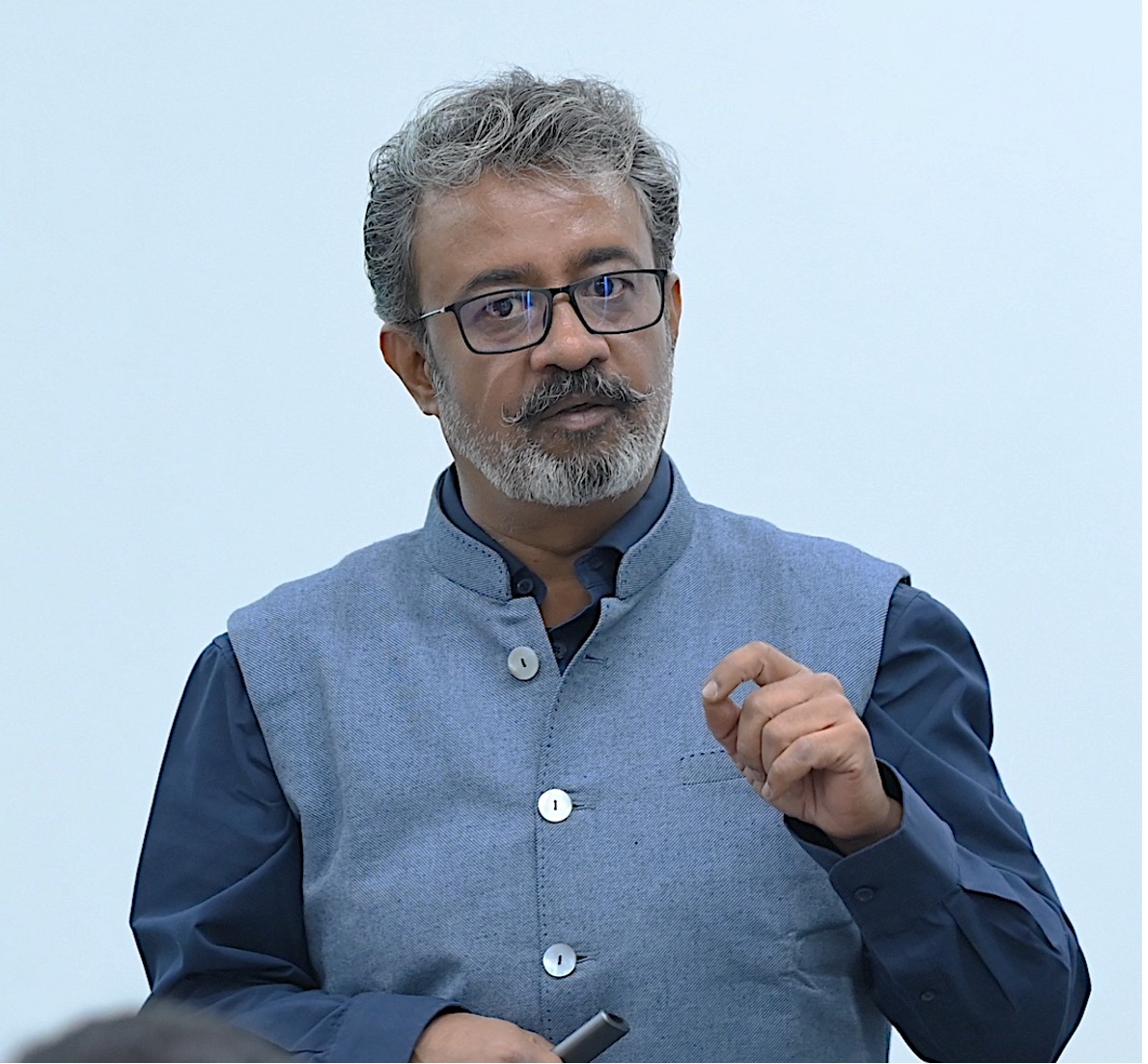
About the Author
Founder Director, ProventusHR · MGSCC Master Coach · NDA Alumnus
Founder of ProventusHR and principal architect of ExperienceLearning and REEL|Life. 25+ years across leadership advisory, executive coaching, and experiential design across 14 industries. 9x Brandon Hall HCM Excellence Award winner (2022 to 2025).
Full Profile ›