

Every major organisational transformation that I have observed or supported has passed through a specific and predictable sequence of phases, and in most of them the transition from one phase to the next has been accompanied by the specific risk of momentum loss that, if not actively managed, produces the slow deceleration that eventually brings the transformation to a premature conclusion. Understanding this sequence, and the specific dynamics that produce momentum loss at each transition, is both analytically important and practically valuable for the leaders who are responsible for sustaining transformations through their full design duration.
The sequence is approximately as follows. The launch phase is characterised by high energy, clear communication, visible senior commitment, and the specific excitement that comes from the possibility of genuine change. The early implementation phase begins to reveal the complexity of the change in ways that the design phase did not fully capture, and the first resistance emerges from the people and the functions most directly affected by the specific changes the transformation requires. The difficult middle phase is where most transformations lose momentum: the initial excitement has dissipated, the early visible wins have been achieved and are no longer new, the resistance has become more organised and more politically sophisticated, and the senior leadership’s attention is being competed for by operational demands that feel more immediate and more certain than the long-term transformation investment. The consolidation phase, if it is reached, is where genuine cultural change begins to be self-sustaining rather than dependent on sustained active intervention.
Most transformations that fail do not fail in the launch phase, when commitment is highest and visibility is greatest. They fail in the difficult middle phase, when the sustained investment in managing the transformation competes with the equally legitimate demands of running the organisation, and when the incremental nature of transformation progress makes it difficult to maintain the urgency that motivated the initial investment.
The five specific momentum killers
The mechanisms through which transformation momentum is lost are specific enough to describe and specific enough to address, if they are anticipated rather than discovered after the damage has been done.
The first is initiative fatigue, the progressive erosion of engagement with the transformation as it competes for attention with the accumulated weight of all the other change initiatives that the organisation is simultaneously managing. Large organisations are almost always in the process of multiple transformation efforts simultaneously, and the people who are being asked to change their behaviour in service of the current transformation are also being asked to change their behaviour in service of several other concurrent transformations. The cognitive and emotional cost of this accumulated change demand eventually exceeds the capacity of the organisation to absorb it, producing a specific kind of withdrawal: people continue to comply with the formal requirements of the transformation while withdrawing genuine engagement with its purpose and its outcomes.
The second momentum killer is the communication gap that develops between the transformation’s design intent and the organisation’s experience of its implementation. The transformation that was designed to empower front-line leaders is being experienced by some of them as additional reporting requirements without additional authority. The transformation that was designed to improve cross-functional collaboration is being experienced as increased meeting load without corresponding improvement in the quality of the decisions those meetings produce. This gap between design intent and implementation experience is almost always present to some degree, and it is almost always more consequential than the transformation team believes it to be, because the organisation’s experience of the implementation is more real to its members than the transformation team’s account of the design intent.
The third is the attrition of senior sponsors. Transformation programmes that are designed to run for multiple years are frequently outlasted by the specific senior leaders whose commitment was the primary source of the transformation’s organisational energy and political protection. When the CEO who commissioned the transformation is succeeded by a CEO whose priorities are different, or when the CHRO who designed the transformation changes roles, the transformation loses the specific personal commitment that was sustaining it through the organisational resistance it was encountering. The transformation that has built sufficient institutional momentum to survive these leadership transitions is the exception rather than the rule.
The fourth is the premature declaration of success. The transformation team that declares victory when the first phase of the transformation has been completed, or when the most visible of the transformation’s targets has been achieved, is producing the specific risk of early disengagement from the subsequent phases whose completion is required for genuine and durable change. The organisation that has been told the transformation is complete will not sustain the developmental and operational investment that the completion of the transformation actually requires.
The fifth is the measurement failure: the inability to produce credible evidence that the transformation is producing the business outcomes that justified the investment. The transformation whose outputs are measured primarily in activity terms, the number of people trained, the proportion of processes redesigned, the score improvements in engagement surveys, is not producing the evidence of business impact that maintains senior sponsorship and organisational commitment through the difficult middle phase. The transformation that can produce specific, credible evidence that specific business outcomes have improved as a direct result of specific transformation investments is considerably more durable than the one that relies on aspiration and activity metrics to maintain the investment case.
The practices that sustain momentum
The practices that most consistently sustain transformation momentum through the difficult middle phase are not primarily communication practices, though communication matters. They are governance and design practices that address the specific mechanisms of momentum loss before those mechanisms have had their full effect.
Explicit management of initiative load is the governance practice that most directly addresses initiative fatigue: the senior leadership commitment to assess the full portfolio of change initiatives the organisation is managing simultaneously, to make explicit the cumulative change demand that portfolio places on the organisation, and to make specific decisions about which initiatives to pause, combine, or eliminate in order to create the capacity for genuine engagement with the priorities that matter most. This requires the willingness to say no to initiatives that have genuine individual merit but that are competing for the organisational capacity that the most important priorities require.
Regular, structured listening to the organisation’s experience of the transformation, not the filtered reporting of the transformation team but the direct, unfiltered input of the people being asked to change their behaviour, is the practice that most directly addresses the communication gap. The transformation that knows what the organisation is actually experiencing, rather than what the implementation plan projected it would be experiencing, can adapt its design in ways that maintain genuine engagement rather than simply managing formal compliance.
The governance structures that sustain momentum through the difficult middle
The governance design that most reliably sustains transformation momentum through the difficult middle phase has several specific features that distinguish it from the governance of the launch and the consolidation phases. It creates explicit protection for the transformation investment from the competing operational demands that will consistently seek to redirect attention and resources. It establishes specific senior accountability for the transformation’s progress that is distinct from the operational accountability of those same seniors, creating the condition for a genuine leadership conversation about the transformation’s progress rather than a performance conversation that addresses it only in relation to operational outcomes. And it creates specific, honest measurement of whether the transformation is producing the cultural and business changes it was designed to produce, rather than the activity metrics that are both easier to produce and less meaningful for the governance of genuine change.
The most important single governance practice for sustaining transformation momentum is what might be called the “what did we stop doing” conversation: the regular, explicit senior leadership assessment of whether the transformation has actually produced the changes in how the organisation operates that it was designed to produce, or whether the new practices are being added to the old ones rather than replacing them. Transformations that add new practices without eliminating old ones are producing initiative overload rather than genuine change, and the initiative overload is the primary mechanism through which transformation momentum is dissipated. The governance conversation that names this honestly, and that makes specific decisions about what existing practices the transformation is explicitly replacing, is the governance conversation that protects the transformation’s capacity for genuine rather than nominal change.
Transformation momentum is not lost suddenly. It erodes gradually, through the accumulation of small decisions to prioritise other things over the transformation, through the natural attrition of the commitments that launched it, and through the specific mechanisms of resistance that every genuine change activates. Managing the erosion requires the same deliberateness and the same governance discipline that launching the transformation required.
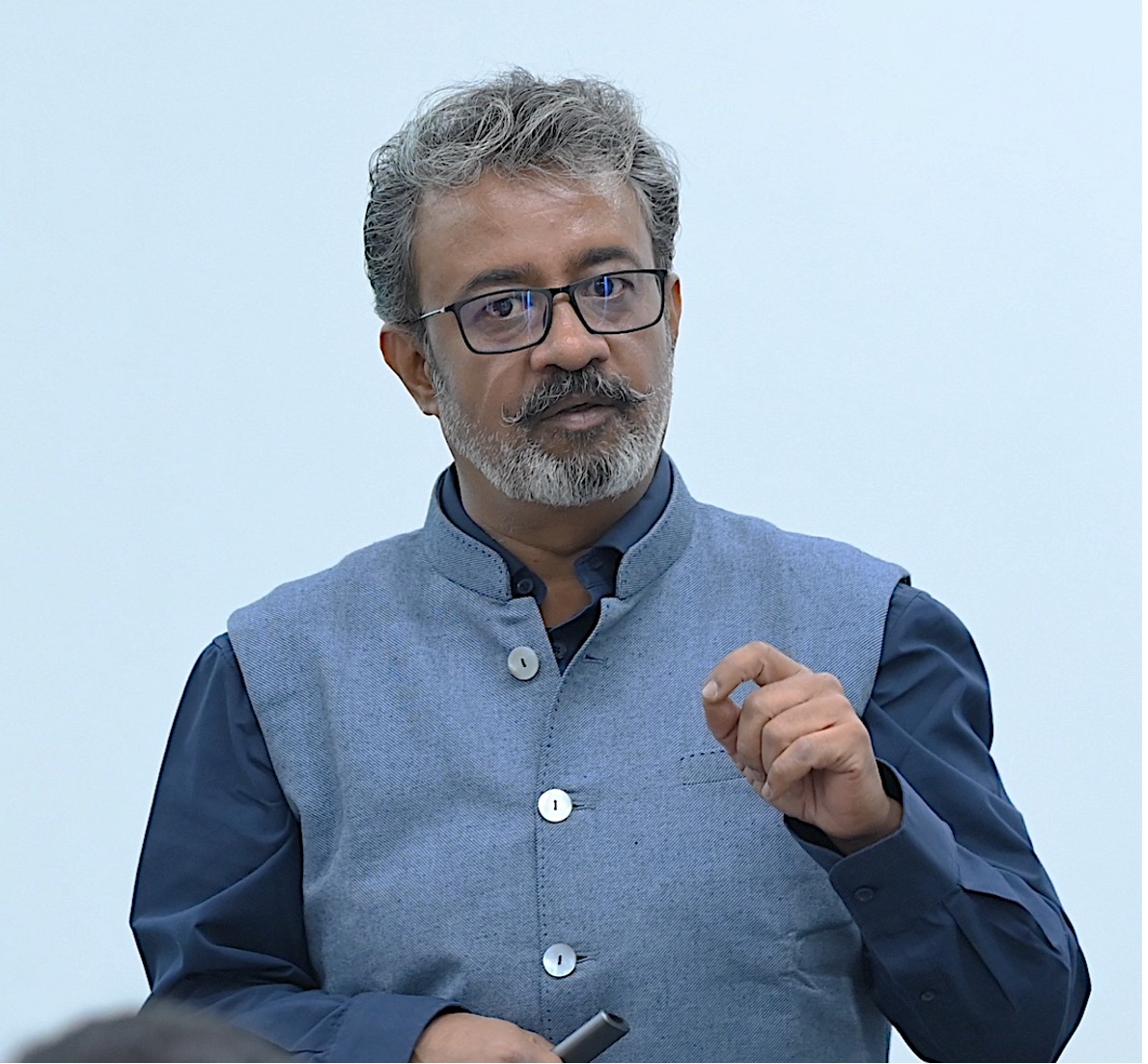
About the Author
Founder Director, ProventusHR · MGSCC Master Coach · NDA Alumnus
Founder of ProventusHR and principal architect of ExperienceLearning and REEL|Life. 25+ years across leadership advisory, executive coaching, and experiential design across 14 industries. 9x Brandon Hall HCM Excellence Award winner (2022 to 2025).
Full Profile ›