

There is a quality that distinguishes certain leaders from their peers in ways that standard competency frameworks do not capture well. It is not technical expertise, though they have it. It is not communication skill, though they deploy it. It is something closer to a fundamental orientation toward their role: a sense that the outcomes they are responsible for are genuinely theirs, not assigned to them, not borrowed from a mandate, not dependent on someone above them for activation. ProventusHR calls this the Ownership Paradigm, and it is the single most consequential capability distinction in the leadership pipeline.
Ownership Is Not Accountability. It Is an Orientation.
Accountability is a system. It assigns responsibility, creates reporting lines, and establishes consequences. An accountable leader delivers what they are asked to deliver and answers for what they do not. Accountability is external in its origins, even when internalised. It is a response to a structure that exists outside the individual.
Ownership is different. An owner does not wait to be asked. They do not require a mandate to act. They do not need the system to create urgency, because the urgency is already present in their relationship to the outcome. An owner experiences the gap between current reality and desired outcome as a personal challenge, not as someone else’s problem that has been assigned to them.
This distinction is not about effort or commitment. Managers who operate from the Membership Paradigm, managing their scope, meeting their KPIs, delivering what is asked, are often hardworking and capable. The limitation is not their capacity. It is their relationship to the outcome. They are members of a system that is responsible for something. They are not owners of that something. The difference is visible in how they behave when the system fails to provide what they need: a decision, a resource, a piece of information. Managers wait. Owners find a way.
“The Ownership Paradigm is not a leadership style. It is a relationship with outcomes. A leader who owns does not experience the organisation’s challenges as constraints on their role. They experience them as the territory of their role.”
What Prevents Leaders from Owning
If ownership produces better outcomes, why do most organisations have fewer owners than they need? The answer lies in how leadership is developed and rewarded across the career arc.
The early career path rewards execution: doing what is asked, delivering to specification, meeting targets. The criteria for advancement in the first decade of most corporate careers are criteria for managed performance, not owned outcomes. Leaders who are rewarded for managed performance build their professional identity around it. By the time they reach senior management, the Membership Paradigm is not a conscious choice. It is the operating system, installed over years of reinforcement.
The transition from managed performance to owned outcomes requires more than a new mandate. It requires a shift in the leader’s fundamental relationship to their role, which is why it cannot be produced by instruction. Telling a leader to take more ownership produces compliance, not ownership. It produces the behaviour of ownership, briefly, in the presence of the person who asked for it. Then the operating system reasserts.
The development intervention that produces genuine ownership must work at the level of the operating system: the leader’s actual experience of their role, their relationship to risk and failure, their sense of what they are actually responsible for. That requires an ExperienceLearning™ approach, not a content approach.
The Development Architecture That Produces Ownership
ProventusHR’s programmes address ownership at the level at which it actually operates: the leader’s default response when no one is watching, when the system is not providing what they need, when the easiest path is to wait. Floor simulations and computer simulations create exactly those conditions. The pressure is real. The absence of guidance is designed. The facilitator observes what the leader actually does, not what they say they would do in a case study discussion.
The Extreme Ownership programme addresses the specific pattern of the leader who has the skills, the title, and the intelligence to own, but who has not yet made the internal commitment that ownership requires. The Ownership Culture Diagnostic assesses where an organisation sits on the Ownership-Membership continuum, team by team, to identify where the development investment will produce the greatest systemic shift.
Ownership at individual level is a leadership development outcome. Ownership at team and organisation level is a culture outcome. ProventusHR works at both levels, because individual ownership that does not find a culture willing to receive it will not survive beyond the first performance review cycle.
“An organisation that wants owners but builds systems that reward managed performance will always lose. The culture is the selection mechanism. Development is the enabler. Both must move together.”
The Ownership Paradigm and Membership Paradigm are proprietary frameworks developed by ProventusHR and applied across LEAP, Extreme Ownership, and organisational culture work. The Ownership Culture Diagnostic assesses where teams sit on the paradigm continuum and identifies development priorities.
Begin a Discovery Conversation
If you are exploring what an ownership culture intervention looks like for your organisation, the conversation begins at proventushr.com/contact. The Extreme Ownership programme is detailed at proventushr.com/programmes/extreme-ownership.
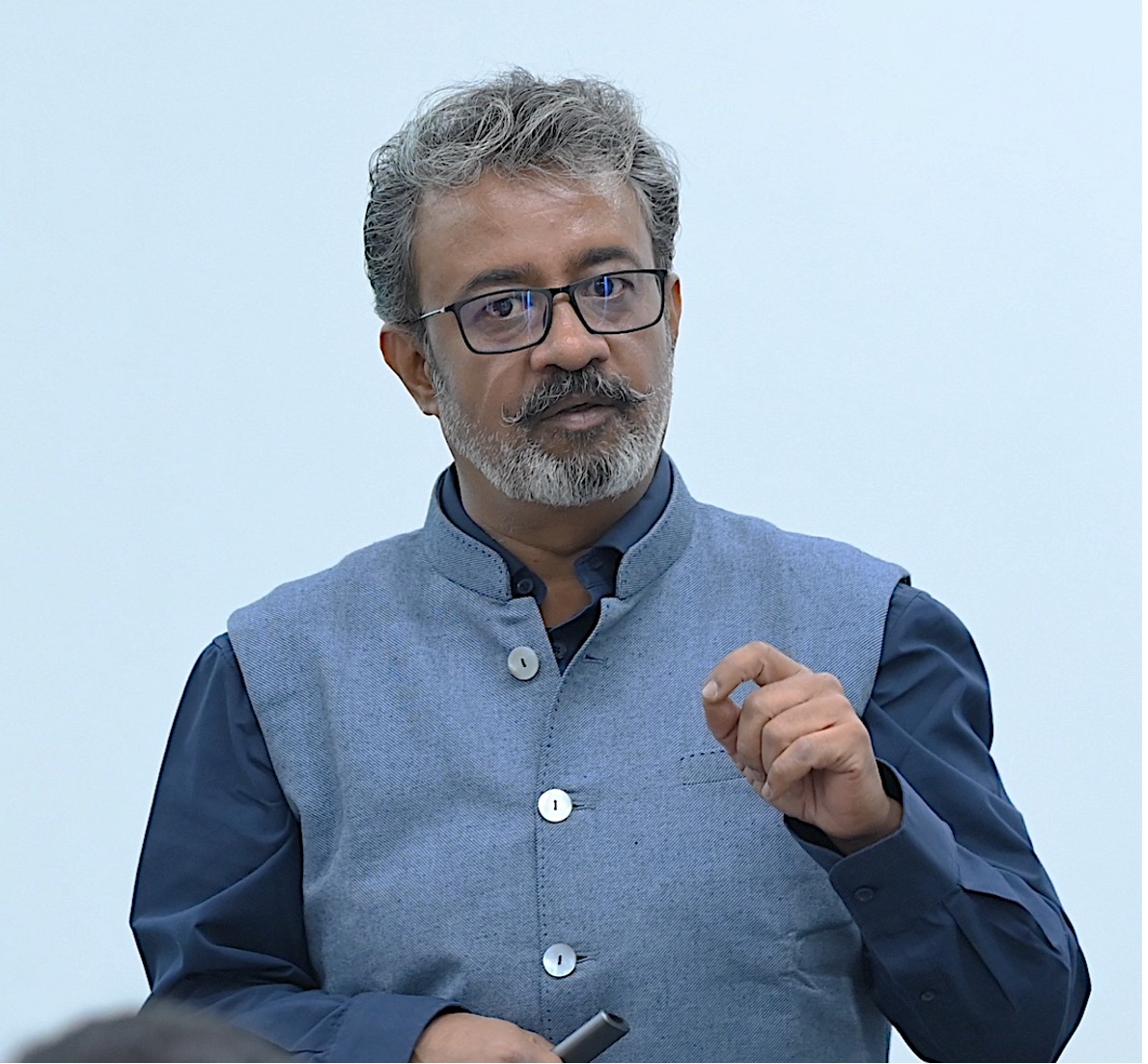
About the Author
Founder Director, ProventusHR · MGSCC Master Coach · NDA Alumnus
Founder of ProventusHR and principal architect of ExperienceLearning and REEL|Life. 25+ years across leadership advisory, executive coaching, and experiential design across 14 industries. 9x Brandon Hall HCM Excellence Award winner (2022 to 2025).
Full Profile ›