

Strategic candour, the willingness to name with precision what is and is not working in an organisation, is the rarest and most valuable resource available to senior leadership. Its absence is the primary explanation for why most organisations know what their problems are and still fail to address them.
Strategic candour requires the safety to say difficult things and the leadership to respond to them well.
The Candour Deficit
In most senior leadership teams, the gap between what members individually know about the organisation’s strategic challenges and what is said collectively in the strategic forum is substantial. The individual knowledge is rich. The collective conversation is comparatively impoverished: general enough to avoid the specific accountability questions that precision would generate, optimistic enough to protect the relationships and reputations that genuine candour might threaten.
This gap is not a product of dishonesty. It is a product of rational calculation. The leader who names, with specificity, the strategic failure mode that sits in the CEO’s domain is taking a career risk. The individual calculations are rational. The collective outcome is a leadership team systematically less intelligent about the organisation’s strategic reality than the sum of its members’ individual knowledge would allow.
"The most important strategic conversation an organisation needs to have is almost never the one that is on the agenda. It is the one that every member of the leadership team knows needs to happen and that no one is willing to initiate. Naming that conversation is the first act of strategic candour."
What Strategic Candour Actually Requires
Strategic candour requires two things simultaneously: the psychological safety to say difficult things and the leadership maturity to respond to them well. The first without the second produces chaos. The second without the first produces politeness. The safety dimension is primarily a leadership team culture question, determined by the history of specific incidents: the moments when someone said a difficult thing and was responded to with genuine engagement, and the moments when someone said a difficult thing and experienced consequences. The maturity dimension is primarily a leadership development question: the capacity to receive challenging feedback without defensiveness is a capability that is rarely explicitly developed in leadership programmes but is among the most consequential for the quality of strategic decision-making.
Building Strategic Candour into the Leadership Team
Strategic candour is not a cultural aspiration that can be produced by a single offsite. It is a practice that requires structural and process support. The structures that sustain it include a regular forum explicitly designed for strategic challenge rather than reporting, a meeting design that creates space for the individual perspective before the group dynamic shapes it, and a norm of rotating the initiating question so that the same voices are not always carrying the candour burden. The facilitation of strategic candour is one of the most delicate and most valuable things a skilled external facilitator can provide: the capacity to name, with both precision and care, the strategic question that the team is circling but not landing.
About the Author
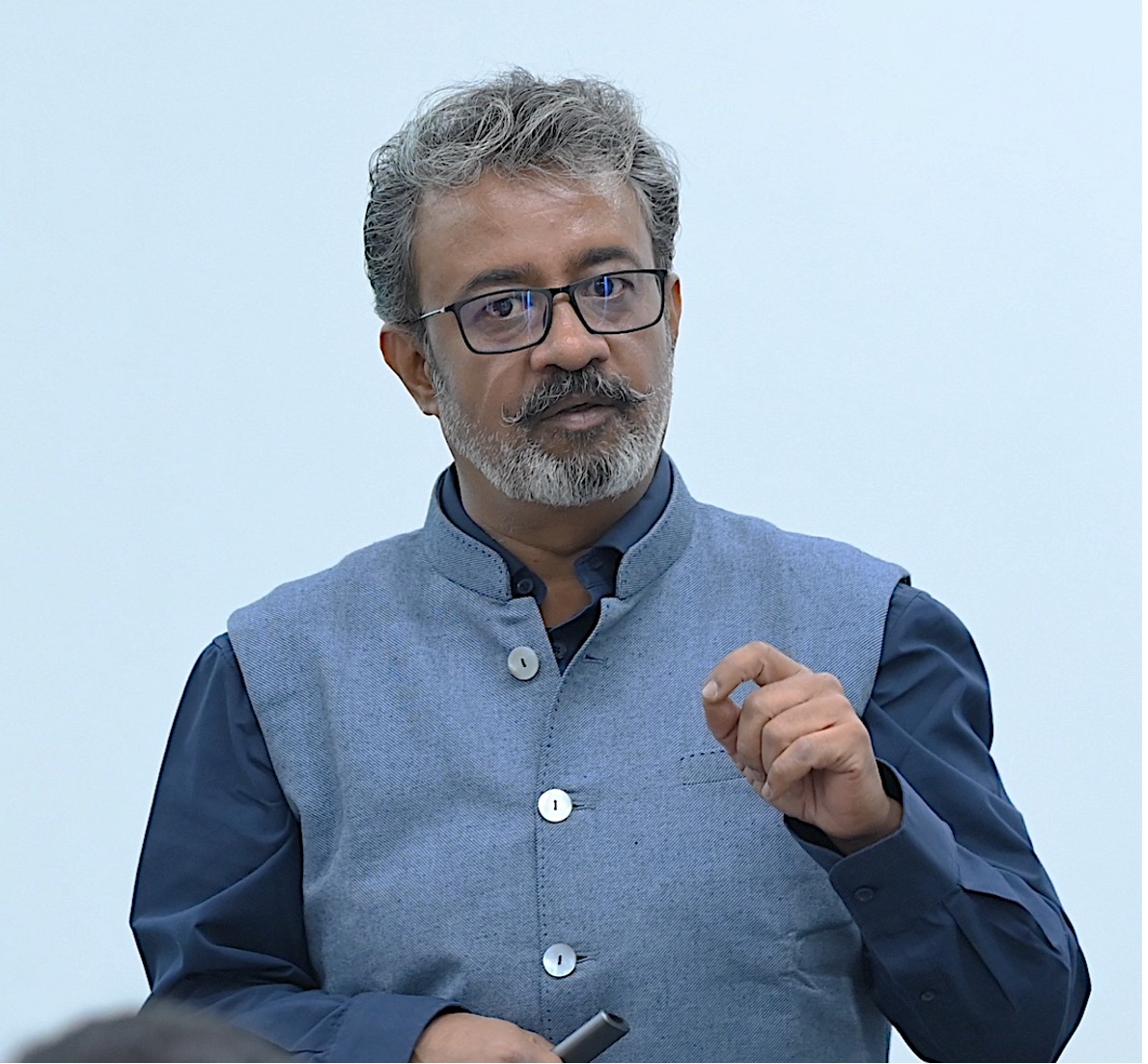
Founder Director, ProventusHR · MGSCC Master Coach · NDA Alumnus
Founder of ProventusHR and principal architect of ExperienceLearning and REEL|Life. 25+ years across leadership advisory, executive coaching, and experiential design across 14 industries. 9x Brandon Hall HCM Excellence Award winner (2022 to 2025).
Full Profile ›Every engagement begins with a discovery conversation. No templates, no generic programmes; only work that fits the context, the culture, and the people involved.
Start a Discovery ConversationAlignment Is Not Agreement: A Critical Distinction for Senior Teams
Read › Pillar 02 · Culture and Belonging Point of ViewWhen Psychological Safety Becomes a Performance: The Gap Between Intent and Reality
Read › Pillar 02 · Culture and Belonging Point of ViewProductive Conflict: Why Organisations That Cannot Fight Well Cannot Learn Well Either
Read ›