

I was facilitating a three-day strategy alignment workshop for a senior leadership team of fourteen. By the end of day one, it was clear the organisation did not have an alignment problem. It had a candour problem. These are related, but they are not the same, and addressing the wrong one first produces neither.
Three days of structured facilitation can produce what years of regular meetings cannot, when the container is designed for honesty.
I was facilitating a three-day strategy alignment workshop for a senior leadership team of fourteen people. The organisation was a mid-sized infrastructure company in the middle of a significant strategic transition: moving from a project execution business to a solutions and advisory business. The CEO had commissioned the workshop to align the team on the new strategic direction. By the end of day one, it had become clear that the organisation did not primarily have an alignment problem. It had a candour problem.
This is a pattern I have observed across a large number of strategy alignment engagements. The presenting problem is almost always described as alignment: the team is not pulling together, the strategy is not being executed consistently, and the senior leaders are making decisions that contradict each other. When you spend a structured day and a half in conversation with the team, the problem reveals itself more precisely. The alignment problem is real. But it is downstream of a more fundamental problem: the team has developed an operating culture in which honest conversation about the most important questions has become systematically unsafe.
What the Room Looked Like on Day One
Day one of the workshop was structured around a diagnostic conversation: where are we as a team, what is working, what is not, and what do we each understand the new strategic direction to mean for our function? I had designed this as an opening exercise, expecting it to take two to three hours. It took the full day, because what emerged in the first two hours changed the design for the rest of the morning.
The first signal appeared when I asked each of the fourteen leaders, in structured round, to describe what success looked like for the organisation at the end of three years. The answers ranged from a financial definition of success to an organisational capability definition, from a market position definition to a client relationship definition. These are not inherently contradictory. But in the way the answers were offered, there was a quality of careful neutrality that told me the team had learned not to say what it actually thought in the presence of the full group. The answers were thoughtful and articulate. They were also, in an important sense, safe. Nobody said anything that could be challenged by anyone else in the room.
The second signal came in the first break. Three separate team members, independently, approached me in the corridor and offered a candid version of what they had not said in the room. Each conversation revealed a different dimension of the candour deficit: a concern about the CEO’s commitment to the direction, a tension between two functions that had never been directly addressed, and a quiet belief, held by several senior leaders, that the strategic transition being planned was moving too fast for the organisation’s actual capabilities. None of these had been said in the room. All of them were essential to the quality of the alignment conversation the workshop was designed to produce.
“The most important data in a strategy alignment workshop is almost never on the slide deck. It is in the corridor conversations, in the things that are said carefully and in the things that are not said at all.”
RK, Founder & Principal Consultant, ProventusHRWhat I Did in Response
The original agenda for day two was built around strategic content: market analysis, competitive positioning, and the translation of the strategic direction into functional priorities. I made the decision before breakfast on day two to set that agenda aside. The strategic content would not be useful until the team had a higher-quality conversation about where it actually was. I restructured day two around three explicit conversations that the team had been avoiding.
The first was a conversation about pace. Using a structured format that gave each leader permission to speak without being immediately responded to, I invited the team to share their honest assessment of whether the organisation was ready to move at the pace the strategic plan required. The conversation that followed was the most substantive of the entire three days. Leaders who had not spoken candour to each other in months did so in a structure that made it safe. The conclusion, reached collectively rather than imposed, was that the transition needed a more staged architecture: a twelve-month capability-building phase before the full market pivot. The CEO, to his considerable credit, received this not as a challenge to his leadership but as the quality of input he had been trying to produce for two years.
The second conversation was about the unaddressed functional tension. I named it explicitly, with the permission of both parties, and structured a direct, facilitated dialogue between the two function heads. What emerged was not a resolution of the tension, which had substantive strategic dimensions, but an explicit and shared understanding of what the tension was actually about, which made it possible to address in the workshop rather than continue to manage around it in the months following.
The third conversation was about the CEO’s operating style and the team’s experience of it. This is the most delicate of the three conversations, and I designed it carefully: structured upward feedback, offered as observation rather than criticism, in a container that the CEO had explicitly agreed to enter. The feedback was specific, respectful, and clearly offered from a place of commitment to the success of the direction. The CEO’s response, which involved genuine reflection and a set of explicit commitments about what he would do differently, was the moment the room shifted. Something about the quality of the team’s engagement changed after that conversation, and it held for the rest of the three days.
What Day Three Revealed
By day three, the quality of the strategic conversation was materially different from what had been possible on day one. The team was not suddenly aligned on every question. But the conversations were substantive, the disagreements were productive rather than evasive, and there was a shared willingness to name the strategic choices the organisation needed to make, including the uncomfortable ones, rather than cycling through the same surface-level consensus the team had been producing in its regular meetings.
The three-year success definition conversation, which had produced careful neutrality on day one, produced genuine debate on day three. The team landed on a definition that was more specific, more integrated across functions, and more honestly aligned with the actual capabilities the organisation had than anything the CEO had been able to produce in his own planning conversations. The workshop produced not a ratified strategy document but a shared strategic frame with enough specificity and enough honest acknowledgement of the gaps to serve as a genuine operating basis for the eighteen months ahead.
THREE DAYS IN A STRATEGY ALIGNMENT WORKSHOP can produce what three years of regular meetings cannot, not because the conversations are better, but because the container is different. The container is designed for honesty, for productive disagreement, and for the kind of reflection that the operating pressure of the normal working environment makes consistently difficult. The discipline of allocating three full days to the conversation, without the intrusion of operational urgencies, is itself a signal to the team that the conversation matters, and that signal changes the quality of what the room is willing to produce.
“The moment a leadership team becomes willing to say in the room what it has only been saying in the corridor is the moment a strategy alignment workshop starts doing the work it was commissioned for.”
RK, Founder & Principal Consultant, ProventusHRResearch Reference
Amy Edmondson, “The Fearless Organisation: Creating Psychological Safety in the Workplace for Learning, Innovation, and Growth,” Wiley, 2018. ProventusHR field observations across senior team alignment engagements, 2022 to 2025. Patrick Lencioni, “The Advantage: Why Organisational Health Trumps Everything Else in Business,” Jossey-Bass, 2012.
The ProventusHR Perspective
The engagement described in this Field Note represents the approach ProventusHR takes to every strategy alignment workshop: a pre-workshop diagnostic that surfaces the conversations the team has been avoiding, an agenda built around those conversations rather than around a generic strategic content template, and a facilitation approach designed to create genuine psychological safety for honest dialogue in the room. We do not facilitate workshops in which the agenda is built before the diagnostic is complete. The diagnostic shapes the agenda. Without that discipline, the workshop produces the same quality of conversation the team was having before the offsite began, with the addition of a flip chart and better catering.
Our strategy alignment workshops vary in duration from two to four days depending on the size of the team, the depth of the misalignment, and the complexity of the strategic context. In every case, the minimum viable time for genuine alignment work is two and a half days. A day and a half is sufficient to surface the conversations. It is not sufficient to work through them. The organisations that commission one-day strategy sessions receive one-day outputs. The organisations willing to invest three days receive something that more closely resembles actual alignment, along with the operating agreements and follow-through mechanisms to maintain it in the months ahead.

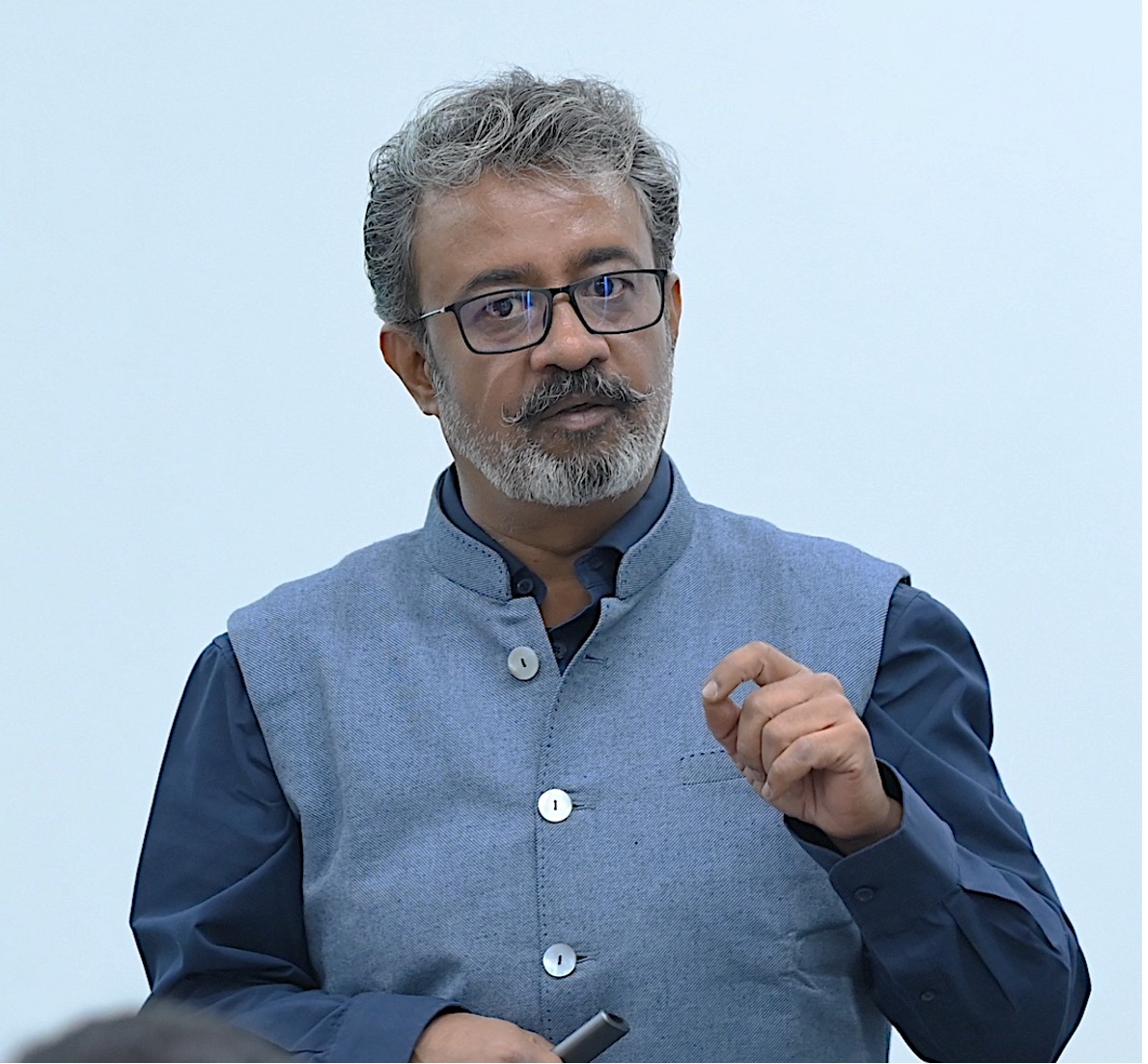
About the Author
Founder Director, ProventusHR · MGSCC Master Coach · NDA Alumnus
Founder of ProventusHR and principal architect of ExperienceLearning and REEL|Life. 25+ years across leadership advisory, executive coaching, and experiential design across 14 industries. 9x Brandon Hall HCM Excellence Award winner (2022 to 2025).
Full Profile ›Every engagement begins with a discovery conversation. No templates, no generic programmes; only work that fits the context, the culture, and the people involved.
Start a Discovery Conversation