

The senior team that has lost trust in its own collective judgment is one of the more challenging and more instructive facilitation contexts available. The loss of trust is not always visible in the conventional ways. The team may be perfectly cordial. The meetings may run smoothly. The communication may be managed with considerable sophistication. The specific quality that is absent is not warmth or procedural efficiency. It is the willingness to bring genuine thinking to collective conversations, to commit to positions that will be challenged, to acknowledge uncertainty, and to allow the honest engagement with each other’s perspectives that genuine collective intelligence requires. The team that does not trust itself has learned, through specific experiences and through the accumulated weight of how its conversations have gone, that genuine input is professionally risky in this group, and has adapted by providing the managed input that is safe rather than the genuine input that would be useful.
The facilitation challenge in this context is not primarily about technique. It is about creating the specific conditions in which genuine input becomes safe enough to be offered, and in which the managed input that has become the group’s norm can be replaced by something more honest without any individual member bearing the personal cost of being the first to change the norm.
What produces low-trust dynamics in senior teams
Low-trust dynamics in senior teams have specific and identifiable causes that are worth understanding because the facilitation approach needs to be calibrated to the specific cause rather than to the generic symptom.
The most common cause is a history of specific incidents in which honest input was punished rather than welcomed. The team member who offered a challenging assessment of the CEO’s strategic direction and experienced a subtle but visible reduction in their access and influence in subsequent months has learned something specific about the safety of genuine input in this group. The lesson travels: the people who witnessed the consequence learn it vicariously without requiring the direct experience. The team that has had several such incidents over several years has developed a collective learned helplessness about the value of honest engagement, producing the managed communication that is the team’s adaptation to the specific conditions it has experienced.
The second cause is the absence of genuine accountability for the team’s collective performance. The team whose members are primarily accountable for their individual functional performance, with no genuine accountability for the quality of the team’s collective decisions and the outcomes those decisions produce, has no structural incentive to invest in the genuine engagement with each other’s thinking that genuine collective performance requires. Each member is rationally focused on their own functional performance and on managing their relationships with the CEO in ways that protect their functional interests. The quality of the team’s collective intelligence is the byproduct of these individual rational decisions rather than the explicit focus of any of them.
The third cause is a history of consequential collective failures that the team has not processed honestly. The team that experienced a significant strategic or operational failure and that managed the narrative of that failure toward attribution and explanation rather than genuine learning has carried the unprocessed experience of that failure into its subsequent collective work. The specific quality of the unprocessed failure experience is the erosion of confidence in the team’s collective judgment that produced the failure, which produces a specific kind of risk aversion in subsequent collective decisions that can be expressed either as excessive caution or as the deference to external expertise that removes the accountability for the direction from the team itself.
The specific facilitation approach that rebuilds trust
The facilitation approach that most reliably rebuilds trust in low-trust senior teams is not primarily an activity or a technique. It is a specific quality of presence and a specific design orientation that creates the conditions for genuine engagement to be safe enough to emerge.
The most important single feature of the facilitation approach is the explicit naming, early in the work, of the patterns that the facilitator has observed in how the team currently operates. Not as criticism, not as an indictment of any individual, but as honest, specific, descriptive observation: I have noticed that in this team’s conversations, challenges to the direction are typically offered as questions rather than as positions, and that when someone does take a clear position it is qualified before it has been engaged with. What does the team make of that pattern? This naming does several things simultaneously. It communicates that the facilitator can see what the team has been doing and is not going to pretend not to see it. It creates an explicit opening to discuss the pattern rather than continuing to perform around it. And it models the specific quality of direct, non-judgmental observation that the team needs to develop in its own practice.
The second feature is the deliberate creation of low-stakes opportunities for genuine input before asking the team to produce genuine input on the high-stakes questions. The team that has learned that genuine input is risky will not produce it in the first conversation about the most consequential questions. It needs to experience the safety of genuine input in less threatening contexts first, accumulating the evidence that honest engagement in this facilitated context does not produce the consequences that honest engagement in the normal operating context has produced. Building this evidence requires the patience to work with apparently less important questions with full facilitation quality before bringing the genuinely consequential questions into the work.
The third feature is the explicit management of the most senior person’s impact on the team’s communication climate. In most senior teams, the communication norms are substantially determined by how the most senior person receives input, challenge, and uncomfortable truth. If the facilitation cannot attend to this specific dynamic, it cannot address the low-trust pattern at its primary source. This requires a specific and sometimes uncomfortable conversation with the most senior person before the group work begins: what specifically are you doing in team conversations that is producing the communication pattern you want to change, and what are you willing to do differently during this facilitated work and in the team’s ongoing conversations?
The patience that low-trust facilitation requires
Rebuilding genuine trust in a low-trust senior team is not work that can be accomplished in a single offsite or a single facilitation sequence. It is work that requires the patience to allow trust to rebuild through the accumulated evidence of specific interactions in which the new norms are modelled and maintained, rather than through the declaration of a new culture or the commissioning of a team values exercise. The most important facilitation contribution in this context is not the quality of any specific facilitation day but the quality of the developmental relationship with the team over the period in which trust is being rebuilt: the consistent presence of someone who can observe the patterns honestly, name them without judgment, and hold the team to the standard of genuine engagement that the work is designed to produce.
What rebuilding trust requires beyond the facilitated work
The facilitated work described above creates the conditions for genuine engagement and produces specific moments of honest communication that the team has not been producing in its normal operating context. What it cannot produce, within the bounded time and safety of facilitated space, is the sustained change in the team’s normal operating norms that would make the quality of engagement achieved in facilitated sessions the quality of engagement in ordinary team life. Producing that sustained change requires structural and behavioural changes in the team’s normal operation that go beyond what any facilitation can produce in isolation.
The most important structural change is the explicit redesign of the team’s governance processes to create regular occasions for the honest engagement that the facilitated work demonstrated was possible. A standing agenda item for strategic challenge. A regular “what am I missing” conversation in which each team member solicits genuine alternative perspectives on a current decision. A quarterly team effectiveness review that explicitly assesses the quality of the team’s collective thinking rather than only its collective outputs. Each of these is a small structural investment in the ongoing quality of the team’s collective intelligence. Each creates a protected occasion for genuine engagement that the normal team dynamics would otherwise consistently suppress. Together, they build the specific governance infrastructure that allows the trust developed in facilitated work to become genuinely operative in the team’s ongoing life.
The team that does not trust itself has usually learned not to through specific experiences that made genuine input professionally risky. Rebuilding the trust requires creating the specific evidence that the conditions have changed, not communicating that they should. The evidence is built through specific interactions, over time, in which genuine input is not only safe but visibly welcomed and specifically valued.
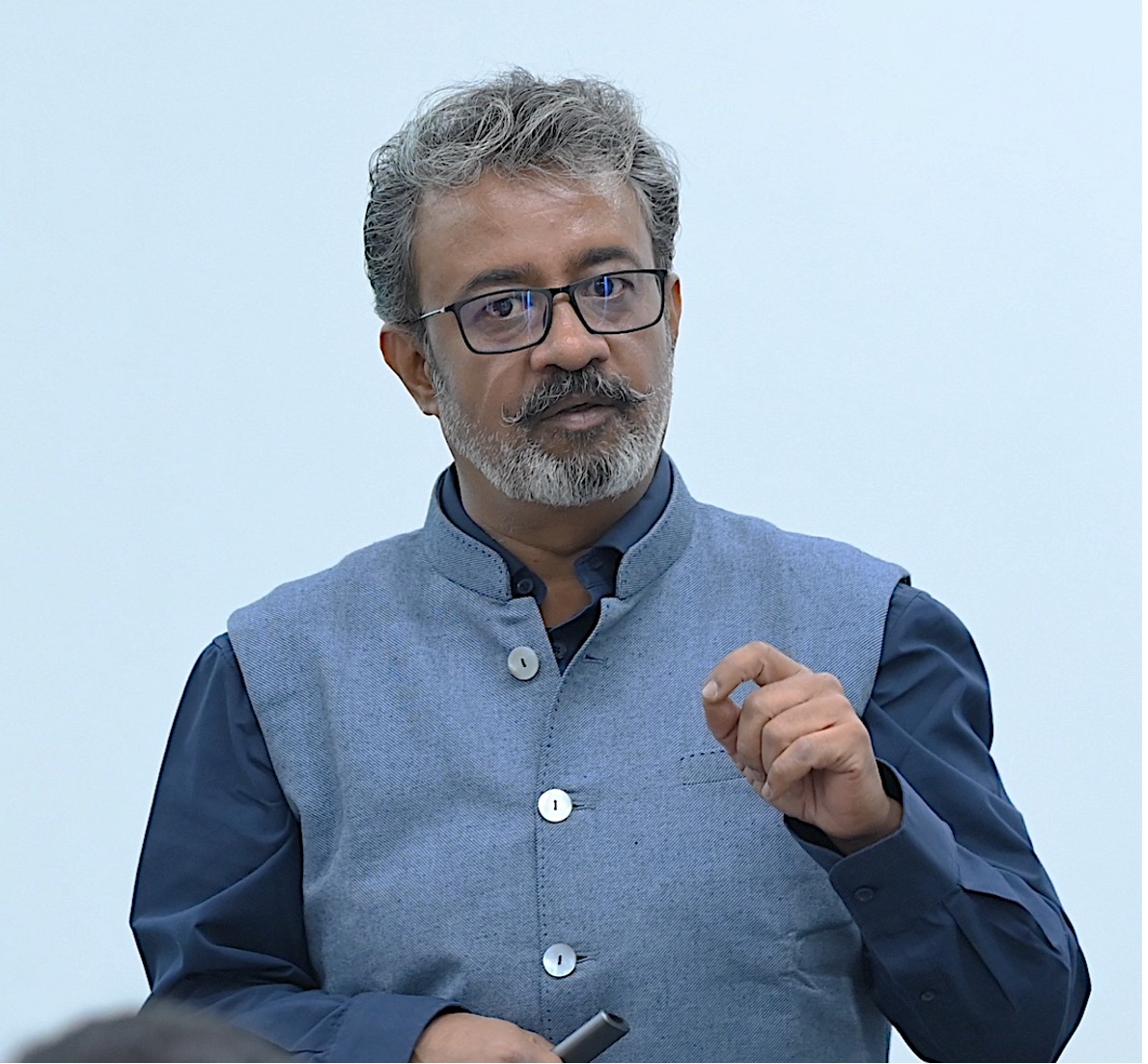
About the Author
Founder Director, ProventusHR · MGSCC Master Coach · NDA Alumnus
Founder of ProventusHR and principal architect of ExperienceLearning and REEL|Life. 25+ years across leadership advisory, executive coaching, and experiential design across 14 industries. 9x Brandon Hall HCM Excellence Award winner (2022 to 2025).
Full Profile ›